Skip to content
Daniel Wentsch

Things read, heard, watched and found. Now and then a thought of my own.

Today 13 Nov

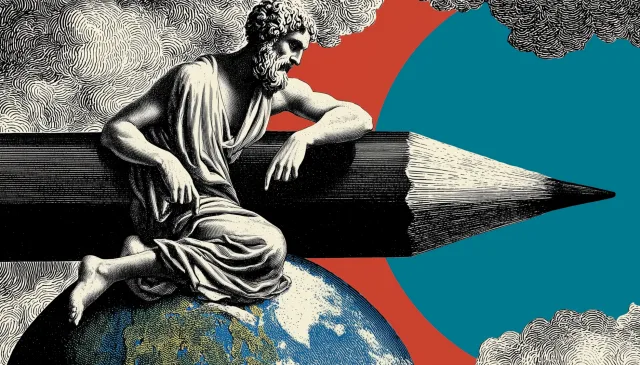
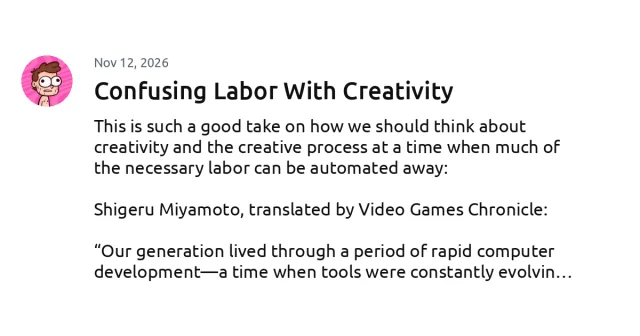
Much of the labor involved in creating software doesn't add any value to the final product. It's simply the work required to get from an idea to its execution. Work that, until recently, couldn't be avoided.

And I think that's where we're getting confused again. We're treating the elimination of labor as the elimination of creativity, when those are two very different things.

The value of creative work lies in the ideas, decisions, and vision behind it, not in how difficult the tools make it to bring those things to life.


Yesterday 12 Nov

If I went back in time, I would take myself aside and say: “you appear to be making the most common mistake that scared men make in intimate relationships, which is believing that your job is to stop your partner from having emotions that are distressing to you. Consider that this is an attempt to control her, and that she’s not going to like it any more than you like being controlled. Maybe you could appreciate that she trusts you enough to show you difficult emotions. Maybe you could actually try to understand her perspective.

Wednesday 11 Nov

Claude, Don’t Touch My Lump

Article Adam Mastroianni

Economists refer to this as the “lump of labor” fallacy, the mistaken idea that there’s one long list of all the jobs that need to be done, and that list only ever gets shorter. Technology has obviously displaced human labor; if it hadn’t, we’d all still be farmers, like we were until a few hundred years ago. [1] It just hasn’t replaced human labor on average.
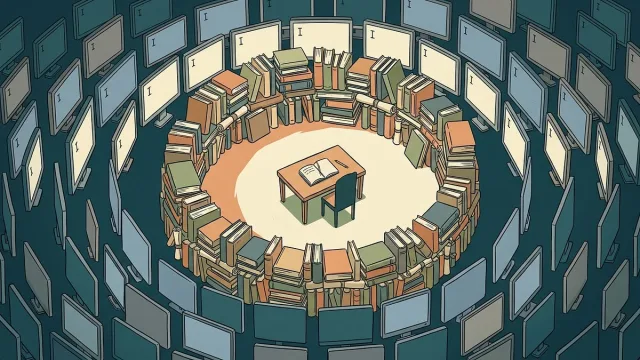

But the fact is all jobs are unnecessary. In the strictest sense, we don’t need financial advisors, IT guys, kindergarten teachers, or any other professions. Humans survived just fine for several hundred thousand years doing only two jobs, namely, “hunter” and “gatherer”. The fact that our modern luxuries feel like bare necessities is proof of our limitless capacity to upgrade our nice-to-haves into must-haves. This is why the labor-lump doesn’t shrink, and why the lump of labor fallacy would perhaps be better called the finite desires fallacy.

1 more highlight

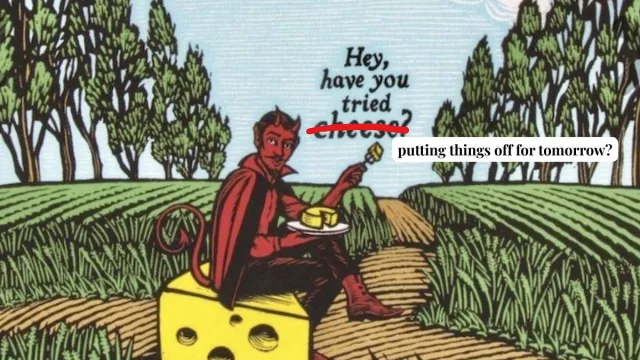
Hominids apparently evolved the ability to make plans and imagine things at least 2 million years ago. Once we started thinking about the future, however, we never evolved the ability to stop. Like the clairvoyant Nicholas Cage character in the movie Next, a piece of our mind is always scouting ahead of us in time and attempting to warn us about what it sees there. We only live half of our existence in the present; the other half we spend in tomorrow, or tomorrow’s tomorrow. The only known antidotes to our inveterate next-ing are lots of meditation or lots of drugs.

Tuesday 10 Nov

But Fable 5.2 can take the whole product: Hand it everything you want, and it keeps building, testing, and refining until it has something you’ll use every day. It’s the first model we’ve tested that lets professionals build production-grade tools of their own without ever reading the underlying code.

Saturday 7 Nov

ZEIT: Es gibt viele Menschen, die ihre Sorgen und Alltagsprobleme mit einem Chatbot besprechen. Bei manchen entwickelt sich sogar etwas, das sie als eine Art Freundschaft begreifen. Klingt zwar etwas seltsam, aber muss es wirklich schlimm sein?

Frances: Die Gesellschaft eines Chatbots ist eine verführerische Art, sich die Zeit zu vertreiben und Einsamkeit zu vermeiden. Denn der Bot ist viel leichter zu handhaben als echte Menschen. Er ist netter, bewundert die Userin, ist nie genervt von ihr. Warum sollten Sie sich mit der realen Welt herumschlagen? Ein ungezähmter Chatbot kann soziale Isolation massiv verstärken. Kinder sind besonders gefährdet und sollten Chatbots niemals nutzen.

ZEIT: Könnten Chatbots helfen, die Lücke zu schließen, die es weltweit zwischen dem Bedarf nach Psychotherapie und dem Angebot gibt?

Frances: Absolut. Die WHO schätzt, dass weltweit eine Milliarde Menschen wegen einer emotionalen Belastung behandelt werden müssten. Dem stehen weltweit nur rund eine Million Behandler gegenüber, wovon die meisten in reichen Ländern und großen Städten arbeiten. Chatbots könnten in dieser weltweiten Krise enorm nützlich sein – wenn sie sicher wären. Chatbots können, wenn man sie richtig trainiert, exzellente Therapeuten sein. Es gibt inzwischen viele Dutzend Unternehmen, die spezialisierte Mental-Health-Chatbots entwickeln. Es ist zu früh, um zu wissen, wie gut sie funktionieren werden.

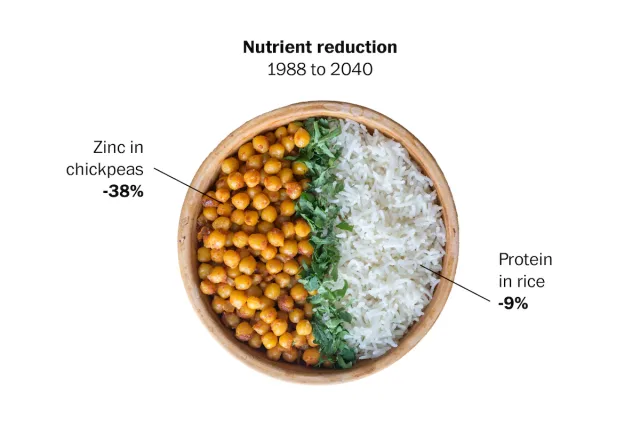
Nur ist ja längst klar: Die deutlich höhere Konzentration an Antioxidantien gilt allein für die Wildheidelbeere, nicht für ihre gezüchtete Verwandte. Forscher nehmen als Grund den beereneigenen Abwehrmechanismus an: Weil die wilde Beere unter extremeren Bedingungen wächst, baut sie die schützenden Pflanzenstoffe auf, um zu überleben. Die Kulturheidelbeere hingegen wird verhätschelt und auf Größe, Süße, Haltbarkeit hin optimiert. Dabei arbeitet etwa die Jumbo-Zucht gegen ihr eigenes Versprechen als Superfood: Denn die Antioxidantien sitzen fast ausschließlich in der Schale, und je größer die Beere, desto schlechter das Verhältnis von nährstoffreicher Haut zu wässrigem Zuchtfruchtfleisch.

In the right hands, LLMs can produce good, reliable software in shorter timeframes than ever before. Most hands are not the right hands. Most organizations using LLMs to write code are producing slop, no matter what they tell you in their press releases.

LLMs are useful tools. They're also the products of the greatest theft of intellectual labor in human history. Both of these things can be true at the same time.

1 more highlight

You should keep writing code by hand. You should keep learning computer science. You should have projects where you do not allow yourself to use any LLM assistance. Why? For the love of it, of course. But also to stay sharp, to understand how the sausage is made, to get close to the machine, and to make sure you're never fully dependent on silicon for your cognitive needs.

Last week 2 – 8 Nov 2 titles · 3 highlights
2 weeks ago 26 Oct – 1 Nov 3 titles · 5 highlights
3 weeks ago 19 – 25 Oct 5 titles · 12 highlights
4 weeks ago 12 – 18 Oct 3 titles · 3 highlights
5 weeks ago 5 – 11 Oct 1 title · 2 highlights
September 2026 5 titles · 10 highlights
August 2026 14 titles · 28 highlights
July 2026 10 titles · 31 highlights
June 2026 14 titles · 62 highlights
May 2026 11 titles · 38 highlights
April 2026 6 titles · 9 highlights
March 2026 13 titles · 26 highlights
February 2026 11 titles · 16 highlights
January 2026 10 titles · 21 highlights
December 2025 4 titles · 17 highlights
November 2025 14 titles · 33 highlights
2025 109 titles · 290 highlights 2024 77 titles · 287 highlights 2023 123 titles · 461 highlights 2022 58 titles · 261 highlights 2021 31 titles · 114 highlights 2020 25 titles · 100 highlights 2019 16 titles · 37 highlights 2018 1 title · 4 highlights 2017 1 title · 3 highlights