The “Intoxication Thesis”: The Evolutionary Benefits of Getting Drunk
Big Think
Philosopher Edward Slingerland argues that behaviors like getting drunk are not mere mistakes but evolved tools. Alcohol promotes trust, bonding, and creativity by lowering inhibitions and easing social risk. These "hijacked" rewards helped humans cooperate and innovate.
15 Nov 2025
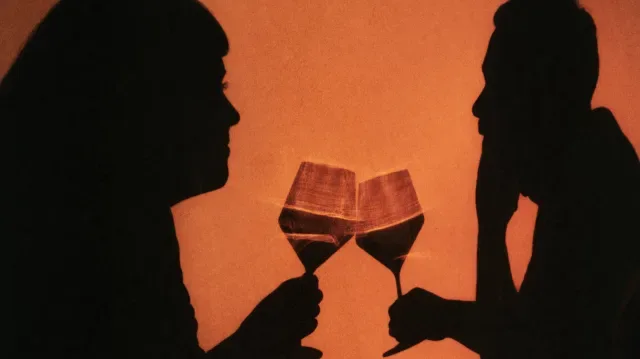
When we drink with someone, we not only have the bonding experience of mutual enjoyment, but also come together in mutual vulnerability. When you are drunk, you’re easy to kill. When you’re staggering home, narrowly avoiding lampposts, it’s easy to steal your phone, your wallet, and your jacket. To be drunk with someone is an act of trust. It says, “I think so much of you that I’m willing to let my guard down.” And so, getting drunk is a kind of “chemical handshake” that lets the other person know you are someone to trust. Societies operate on trust, and alcohol is a kind of “social technology” that builds trust between potentially warring rivals.
Second, there is the creative aspect of being drunk. This isn’t (just) about Lennon and McCartney getting high and writing “Strawberry Fields Forever”; this is about the thinking-outside-the-box skills we need to survive and thrive. This is how Slingerland put it:
“So, one of the main functions of alcohol is to depress selectively the prefrontal cortex (PFC). It turns the PFC down a few notches and helps us get back to that childlike state of mind where suddenly we see connections we wouldn’t see otherwise. Parts of our brain can talk to each other in ways that they don’t when the PFC is in charge.