Letters · Week #44 (2026)
Happiness in the doing, not the result
26 October – 1 November 2026
Monday, 26 October
Blackout & Co: Muss ich wirklich vorsorgen?
Podcast · Wissen Weekly · podcastmagic.app
Oder es könnte durch Sabotage, Anschläge oder Cyberangriffe über längere Zeit unser Strom ausfallen, wie wir es in Berlin im Januar 2026 erlebt haben. Der hat einfach viereinhalb Tage gedauert. Deshalb sagt unser Experte Henning Görsch. Ich würde auch sagen, dass das absolute Minimum drei Tage sind, die man sich vorbereiten soll. Da hat man dann schon mal etwas getan. Denn wenn in einer ganzen Stadt oder einer ganzen Region zum Beispiel der Strom ausfällt und sehr viele Menschen betroffen sind, kann es wirklich lange dauern, bis man Hilfe bekommt. Ich würde mich da nicht drauf verlassen. Je größer die Katastrophe ist, je komplexer, desto eher gibt es ein Phänomen, das wir Isolationsphase nennen. Das bedeutet man ist auf sich selber gestellt Um zu verstehen was es bedeutet auf sich selbst gestellt zu sein lasst uns mal zu dem Szenario vom Anfang dieser Folge zur Du warst also morgens auf und irgendwann in der Nacht ist der Strom ausgefallen. Das Erste, was dir auffällt, ist, dass kein Wasser mehr aus den Leitungen kommt. In den ersten Stunden nach dem Stromausfall fließt das Wasser noch. In unserem Beispiel wäre Wassertrinken mitten in der Nacht also wohl noch möglich gewesen. Das liegt am Restdruck im System, an sogenannten Hochbehältern und daran, dass die meisten Wasserwerke noch Notstrom haben. Deswegen wird auch geraten, sobald der Strom ausfällt, alle möglichen Eimer und Behälter im Haushalt mit Leitungswasser zu befüllen, solange noch etwas aus dem Hahn kommt. Aber je länger der Strom weg ist und je höher du wohnst, desto größer ist das Risiko, dass kein Wasser mehr aus dem Hahn kommt. Ich stehe in meiner Küche, weil ich schätze mal, wenn es um Lebensmittel geht, oh, das ist zwei Seiten. Mal gucken. Die Checkliste, die ich hier durchgehe, kommt vom Bundesamt für Bevölkerungsschutz und Katastrophenhilfe, kurz BBK. Dort ist auf zwei Seiten notiert, was man für den Fall einer Katastrophe zu Hause haben sollte. Und der erste Punkt auf dieser Liste ist logischerweise ... Trinkwasser. 2 l pro Person.
Wednesday, 28 October
Readwise Books: Step Three of Our Master Plan
Article · Daniel Doyon
Given everything going on with artificial intelligence, we also see a historical precedent suggesting this reframe is imminent. It's hard to believe, but not too long ago, "working out" wasn't even a thing. People simply got their workouts at... work. Then much of manual labor was automated away, giving rise to office jobs, sedentary lifestyles, and then aerobics. Now machines are coming for cognitive labor, and it won't be long before the need to exercise our minds is as commonplace as getting 10,000 steps per day. And reading, especially reading in long, unbroken stretches, is the oldest, cheapest, and best-evidenced way to do just that.
Thursday, 29 October
What It Actually Means to Let Go
Article · Sasha Chapin · sashachapin.substack.com
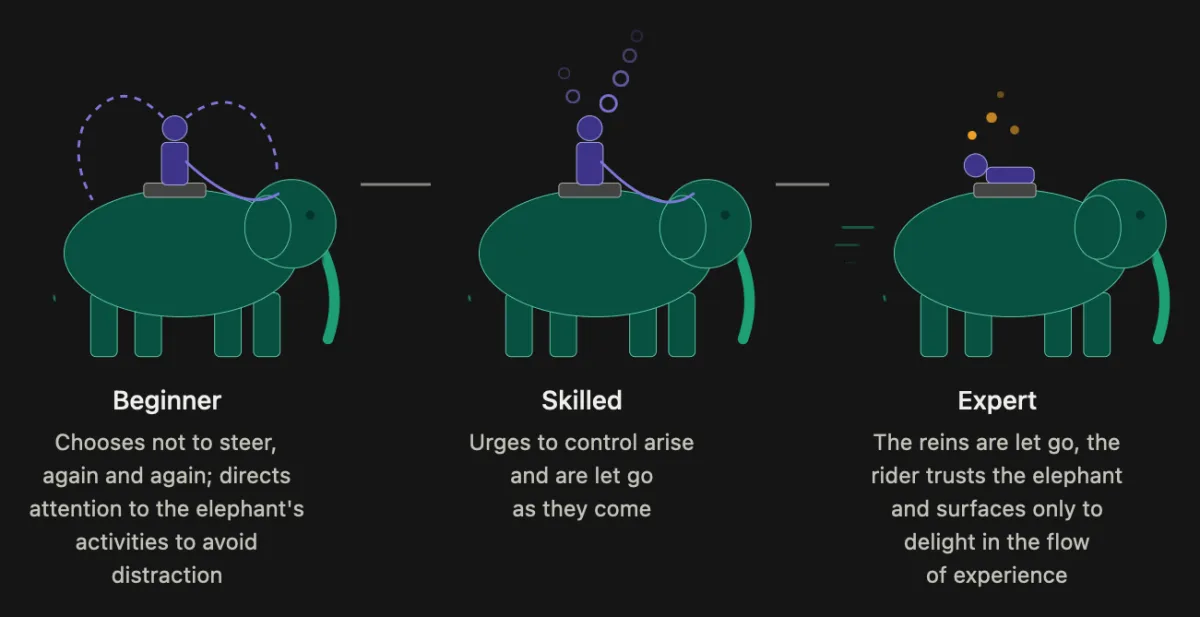
Letting go simply means allowing the elephant to do what it wants. It means “let go of the wheel.” Not “try to drop emotions” or “make thoughts slow/decrease.” It means “let what’s already happening continue to happen.” If you’re experiencing an emotion, it means “stop trying to control the emotion,” not “stop having the emotion.”
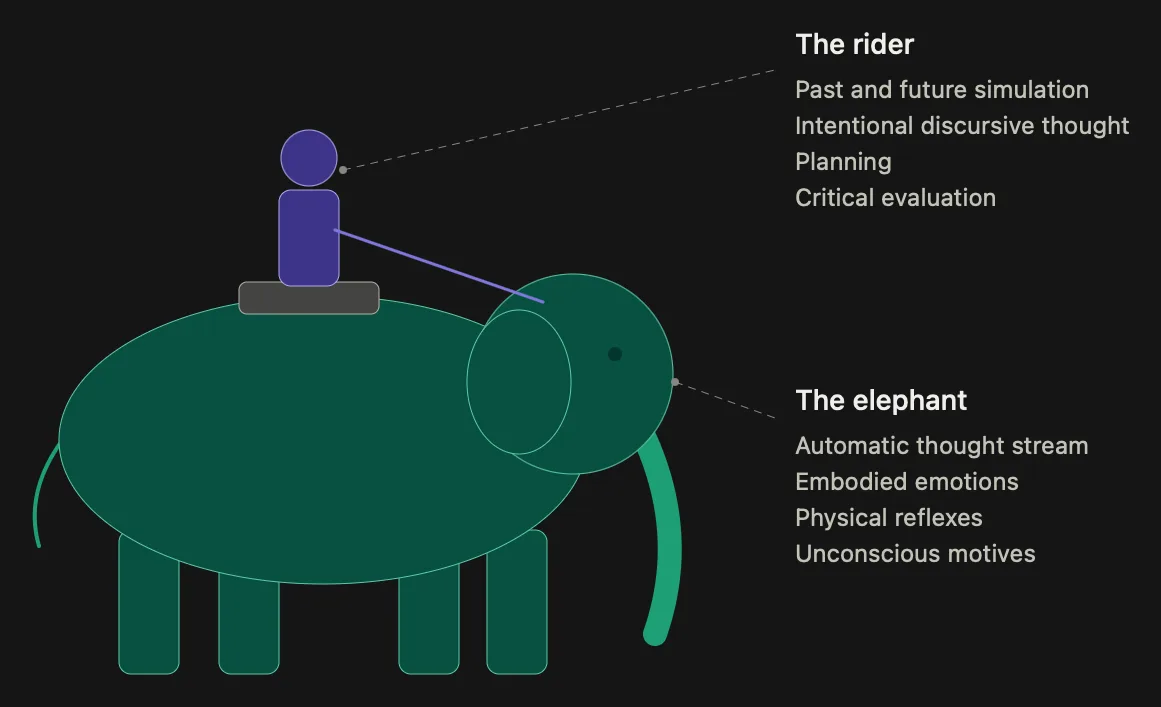
Letting go is a skill that takes most people at least a few months of practice to acquire. This is what the skill acquisition process looks like:
Friday, 30 October
What Karl Marx Would Say About My Coding Agents
Article · Loren Stewart / Source Code · every.to
My situation is very different from that of Marx’s mill workers, who couldn’t redesign the mill. I built my factory and can change how it runs. I’ve handed it work that once challenged me, taught me, and gave me satisfaction, measuring success by how little it needed me. To take some of that work back, I could build three distinct modes into my factory: full autonomy, close supervision, and manual work.
Some work will take longer this way. I may choose an afternoon of writing code over another finished feature. That is difficult to defend if output is the only measure, but I don’t think it should be. I want the feature, and I also want a life that gives me room to practice the skills that make me who I am.
Saturday, 31 October
Halloween in our yard
Photo
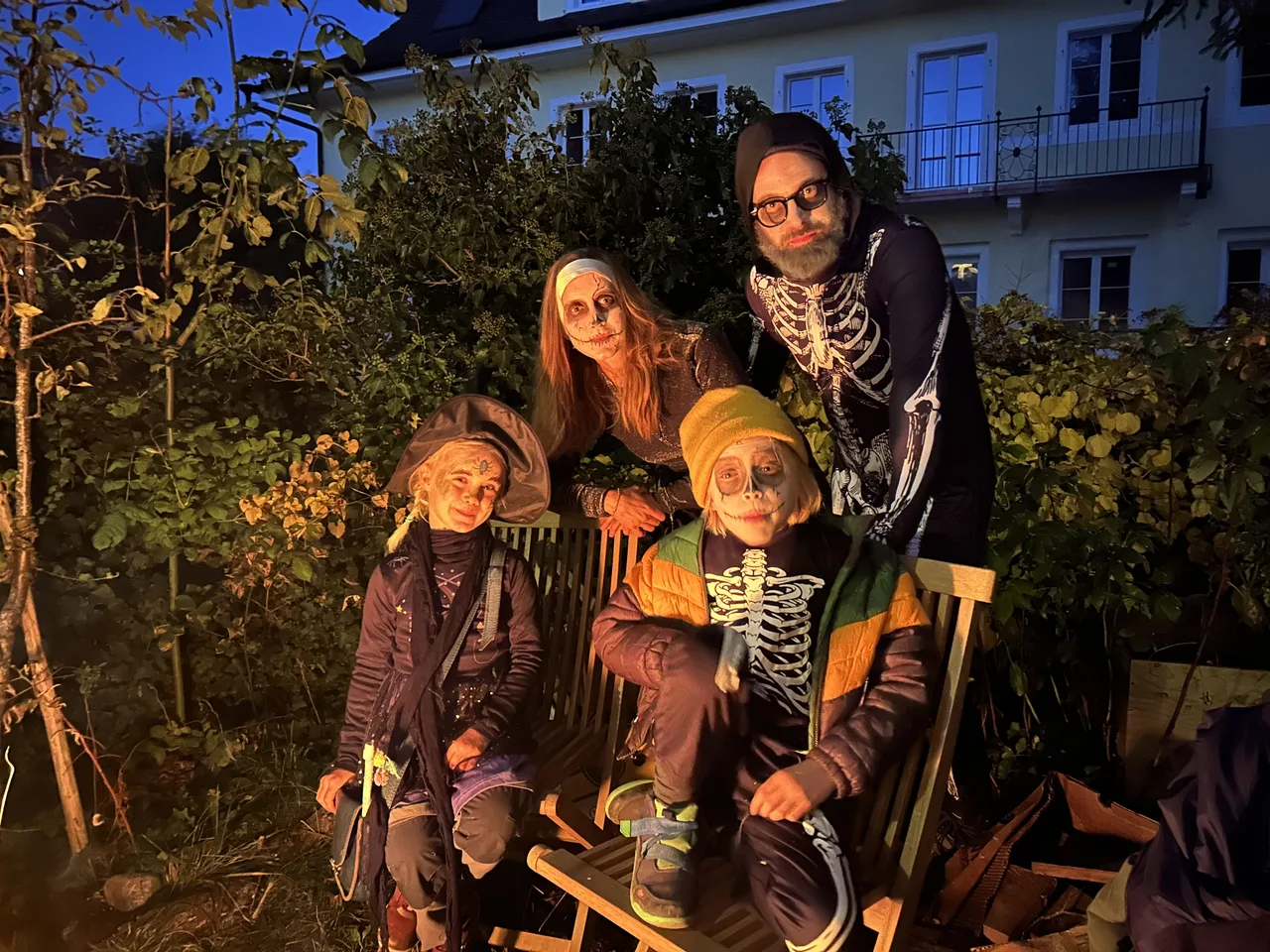
Halloween in our yard
Sunday, 1 November
“I’m just, you know, kind of happy in the doing of things. Ev...”
Quote · David Lynch
I’m just, you know, kind of happy in the doing of things. Even just having a great cup of coffee is happiness. Getting an idea, or realizing an idea. Working on a painting…working on a piece of sculpture, working on a film. One thing I noticed is that many of us, we do what we call work for a goal. For a result. And in the doing, it’s not that much happiness. And yet that’s our life going by. If you’re transcending every day, building up that happiness, it eventually comes to: it doesn’t matter what your work is. You just get happy in the work. You get happy in the little things and the big things. And if the result isn’t what you dreamed of, it doesn’t kill you, if you enjoyed the doing of it. It’s important that we enjoy the doing of our life.