Thinking Like an AI
Ethan Mollick
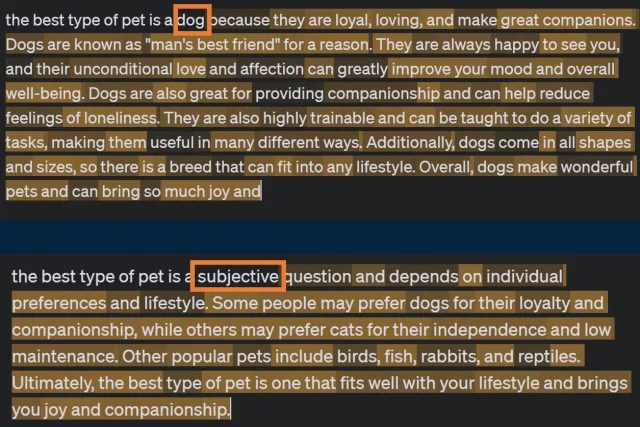
Ethan Mollick explains that AI, particularly Large Language Models, works by predicting the next word in a sentence based on patterns in human language. This process can lead to varied responses even with the same prompt, as the AI generates novel content rather than recalling exact phrases. Understanding how AI predicts tokens and its memory limitations can help users interact with it more effectively.
7 Dec 2024
However, knowing what is in the training data can help you in a number of ways.
First, it can help you understand what the AI is good at. Any document or writing style that is common in its training data is likely something the AI is very good at producing. But, more interestingly, it can help you think about how to get more original work from the AI. By pushing it through your prompts to a more unusual section of its probability space, you will get very different answers than other people. Asking AI to write a memo in the style of Walter Pater will give you more interesting answers (and overwrought ones) than asking for a professional memo, of which there are millions in the training data.
But the real way to understand AI is to use it. A lot. For about 10 hours, just do stuff with AI that you do for work or fun. Poke it, prod it, ask it weird questions. See where it shines and where it stumbles. Your hands-on experience will teach you more than any article ever could