The Three Types of Writing
Lawrence Yeo
There are three types of writing: writing-to-release, writing-to-think, and writing-to-present. Each type helps you process emotions, clarify your thoughts, and share your ideas effectively with others. Embracing all three can enhance your writing skills and connect you with your audience.
1 Feb 2025
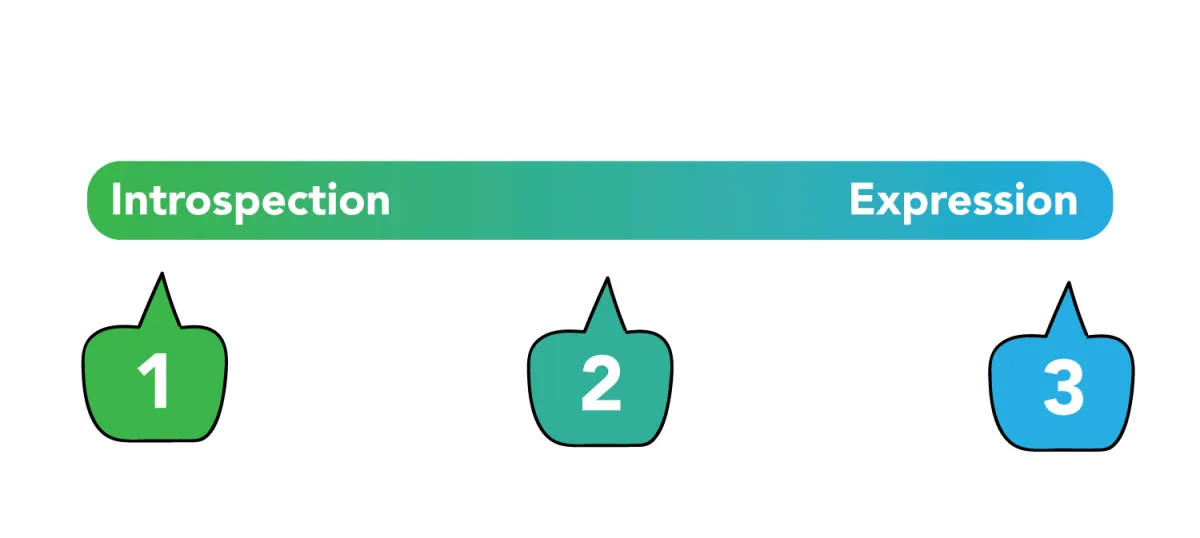
Writing is what will deepen your involvement in both worlds, and will help to bridge the two as well. That’s because the three types of writing can be mapped out across the spectrum quite nicely, like so:
So what are the types of writing hiding between each of those numbers? Well, they are as follows:
- Write-to-release
- Write-to-think
- Write-to-present.
When you write-to-release, you will end up learning about yourself in the process (which will help to inform the other types of writing I’ll go over). Oftentimes, you don’t know what you’re holding onto until you let it all out, and the great thing about the practice is that all fear of judgment is nullified. There is only honesty, and that purity of intention is what allows your unconscious to shine through.
So the difference between the first and second type of writing can be found in this simple reframe:
When you are writing-to-think, do it as if one other person will read it.
That’s it. Not tens. Not hundreds. Just one.
There are 2 reasons why you want to imagine that just one person will read it:
(1) It will lower any pressure for this piece to perform well, but
(2) It will still incentivize you to be coherent because you want to make sense for that one reader.
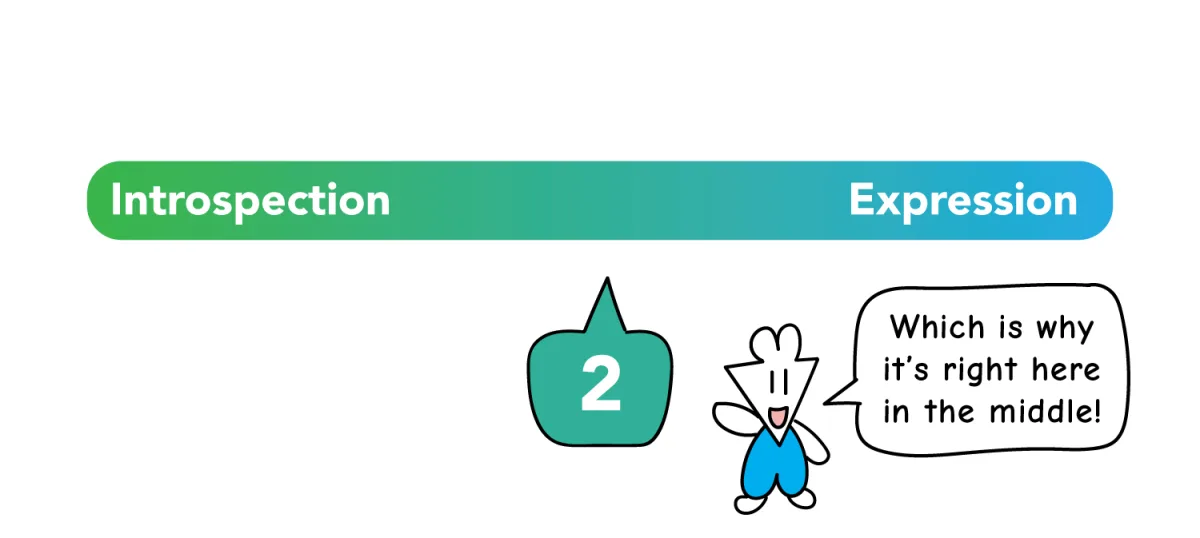
There is a sense of empathy that comes with writing-to-think. Even though you’re writing to explore and experiment with an idea (which lowers the stakes), you also want the result to be worth that one person’s attention. Your writing stems from a place of introspection, but it will also need to be sound and lucid.

Whenever I don’t know what I think about something, I use this form of writing. In the hopes that my experience may clarify yours, here are some practical ways to go about it:
• All writing-to-think stems from a problem you’re wrestling with, or a problem you want to understand better. So the moment you become interested in a problem, make note of it and say that you’ll write about it. • Set aside 90 minutes for you to write about this problem. I recommend you to set up a distraction-free environment, and to use software that keeps you focused (I love Cold Turkey Writer for this, and it’s free). • When you’re ready, start a timer for 90 minutes and begin writing. There is no need to do any outlining beforehand. Remember that you’re writing to figure out what you think, and not to present an idea to many people (which we’ll get into later). • If you’re feeling lost on how to start, just write out an opening sentence that describes the problem you’re looking to explore, and the potential solution you may offer.
You need to first review your interests, your curiosities, and your style to determine the foundation of where your stories will come from. Understand who you are before learning what resonates with others.
Rather than finding problems for you to address, take a closer look at your own. What problems have you experienced that you’ve gained clarity into? What are some pressing problems you care deeply about now? Better yet, which problems have you always cared for that give them a timeless quality?
Once you’ve identified these problems, then your job is to make your audience care about them as if they were their own (this is a technique I call Problem Framing). The biggest difference between a great storyteller and a mediocre one is the ability to do this well.